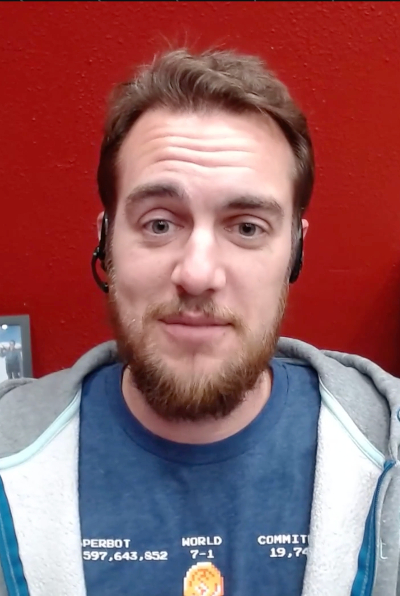
In this episode of the Snowpal podcast, Dr. Adam Link, founder of Fireweed Capital, shares his unique journey from software engineering to wealth management. He discusses common financial mistakes engineers make, the differences between active and passive investment strategies, and the importance of personality in financial decision-making. Dr. Link also highlights the tools and technologies used in wealth management and explores the future of trading in the context of AI and 24/7 markets. The conversation concludes with insights on how individuals should approach investing based on their personal circumstances.
Takeaways
Engineers often over-optimize their finances, missing the bigger picture.
Investing is not purely algorithmic; human behavior plays a crucial role.
Active management can provide better drawdown protection than passive management.
Understanding personal risk tolerance is key to investment success.
Financial resources should support personal life goals, not just be about returns.
Engineers tend to ask more detailed questions about fees and services.
The emotional aspect of investing can lead to poor decision-making during downturns.
AI is transforming the finance industry, impacting trading and investment strategies.
Investing should be tailored to individual needs and circumstances.
The future of trading may involve more retail investors due to increased accessibility.
Podcast
Summary
Introduction & Guest Background
Welcome to the Snowpal Podcast and introduction of Dr. Adam Link, founder of Fireweed Capital.
Overview of Dr. Link’s dual background in finance and software engineering.
Experience advising software professionals with complex compensation (RSUs, ISOs).
Career Transition: Engineering to Wealth Management
Early education in finance followed by a transition into technology.
Startup experience and advanced degrees in computer science.
Ongoing passion for finance while working as an engineer.
Informal financial advising among peers leading to a formal career shift.
Motivation for Becoming a Financial Advisor
Observing engineers’ lack of financial literacy during technical workplaces.
Realization of a market need for finance guidance tailored to engineers.
Decision to obtain Series 65 license and professionalize advisory work.
Common Financial Mistakes Engineers Make
Tendency toward over-optimization in investing.
Treating markets like deterministic systems rather than behavioral ones.
Focusing excessively on fees while ignoring behavioral risk.
Over-Optimization & Fee Sensitivity
Preference for ultra-low-cost passive funds.
False sense of security during bull markets.
Behavioral breakdown during major drawdowns.
Selling at market lows negates years of fee optimization.
Passive vs. Active Management
Definition of passive investing (broad market exposure, low fees).
Definition of active management (market awareness, tactical shifts).
Discussion of drawdown protection as a key differentiator.
Behavioral Risk & Market Drawdowns
Human response to incremental losses.
Psychological fatigue during prolonged market declines.
Importance of managing emotions as much as portfolios.
Personality, Risk Tolerance, and Investment Style
Investment approach driven more by personality than profession.
Time constraints and confidence levels influence strategy choice.
No one-size-fits-all solution.
Fiduciary Responsibility & Client Alignment
Explanation of fiduciary duty.
Advisor’s role in serving client goals, not selling strategies.
Willingness to support passive strategies if aligned with client objectives.
Client Engagement Model
Discretionary authority explained.
Advisor executes trades on behalf of clients.
Quarterly check-ins focused on life changes and goals.
Custodians & Transparency
Separation of advisor and asset custody.
Role of custodians like Schwab, Fidelity, Axos.
Full trade transparency and reporting for clients.
Client Access & Monitoring
Read-only access to accounts.
Ability for clients to monitor daily activity.
Balance between transparency and delegated execution.
Financial Planning Technology Stack
Budgeting and cash-flow tracking tools.
Goal-based planning software and simulations.
Custodian portals for investment visibility.
Market Data & Trading Infrastructure
Use of market data APIs.
Limitations of retail trading technology.
Complexity of order books and settlement systems.
Limitations of Modern Trading Platforms
User experience gaps in retail broker tools.
Latency, order cancellation, and execution challenges.
Structural constraints due to centralized order books.
Engineering Challenges in Financial Systems
Singleton order books and global handoffs.
Multi-layer settlement processes.
Trade-offs between speed, accuracy, and reliability.
Market Hours, AI, and the Future of Trading
Expansion toward extended and potentially 24/7 markets.
Increased retail participation during periods of disruption.
AI-driven workforce shifts and market engagement.
Retail Trading Trends & Risks
COVID as a catalyst for retail trading growth.
Trading as income replacement vs. long-term planning.
Role of advisors in mitigating catastrophic mistakes.
Closing Thoughts
Importance of aligning financial strategies with life goals.
Markets as tools, not solutions.
Education, discipline, and behavior as long-term success factors.