

In this insightful interview, Dr. Anthony Giannoumis shares profound lessons on leadership, cultural intelligence, and the importance of empathy in diverse environments. Discover how listening, curiosity, and understanding different perspectives can transform teams and personal growth.
In this engaging conversation, Dr. Giannoumis shares insights on learning from diverse perspectives, the importance of humility, and the value of kindness in a polarized world. Krish Palaniappan explores topics from cultural diversity to personal growth, offering a rich tapestry of stories and lessons.
Podcast
The Leaders Who Listen Lead Better — on Apple and Spotify.
Turns Out Every Leadership Lesson Comes With a Plot Twist
Here’s a list of some of the things discussed in this podcast.
The student who said, “
I made a list of all the things you did wrong today”The lecture that felt brilliant until honest feedback changed everything
Learning to
sit with criticisminstead of shutting it downWhy feedback feels like an attack before it feels like a gift
The Norway classroom and the culture of
challenging authorityWhat changes when feedback crosses cultures
Why some teams only open up after dinner, drinks, or informal trust-building
The Indian classroom story:
when authority threw the exam paper out the windowWhy “
culture fit” is often just comfort in disguiseThe UN hackathon where the unexpected student team won top prize
Seeing the whole person: the Costa Rica PhD storyThe leadership failure of assuming someone else’s transition looks like yours
Why confidence is overrated and curiosity matters more
The 18-year-old
mentor who changed a professor’s careerThe quiet leadership mistake that kills great teams
How
listeningbecomes a competitive advantageWhy inclusion is not just moral, but practical
What great leaders learn from the people they least expect
The Student Who Tore Up His Ego and Made Him a Better Leader
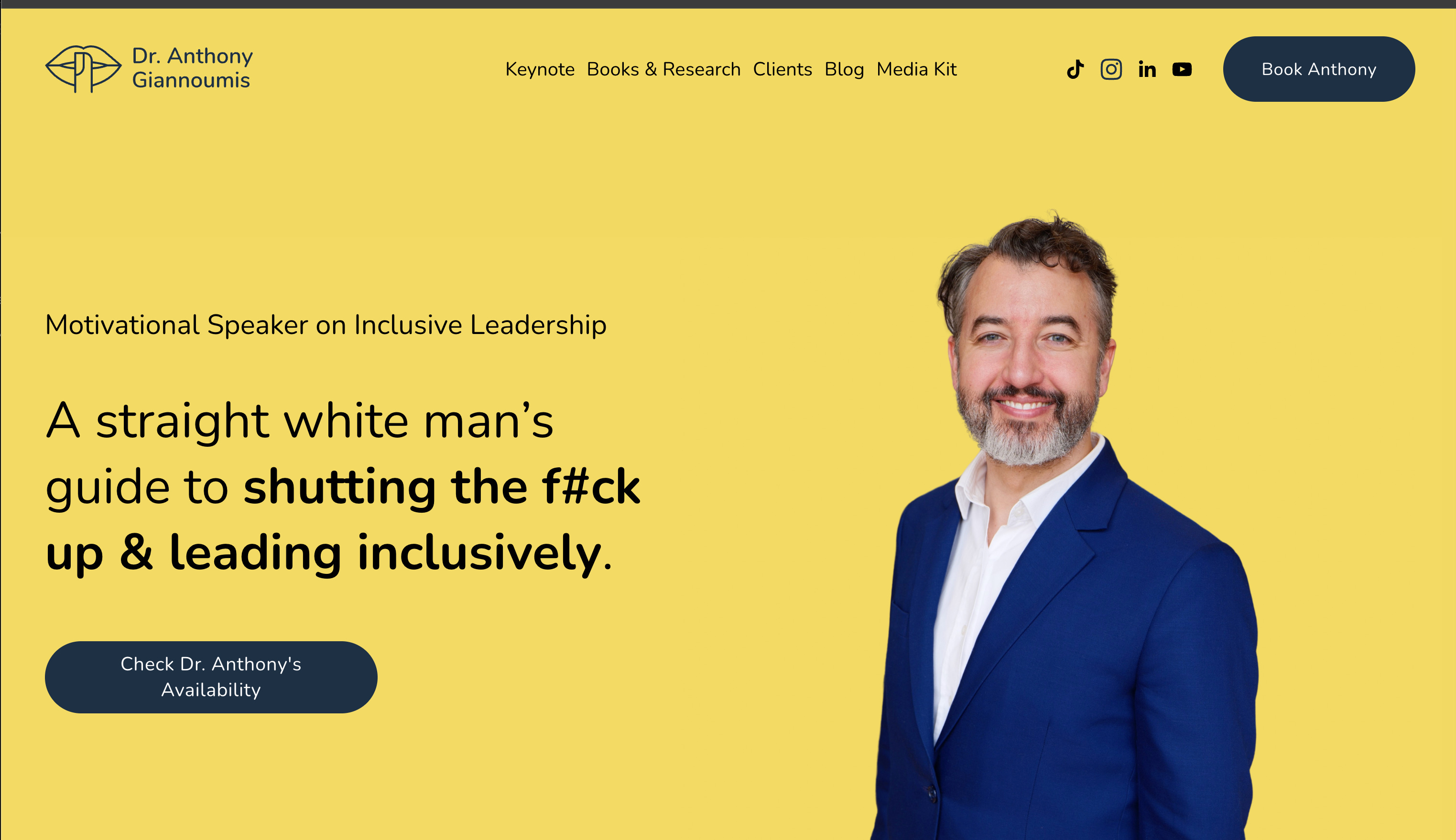
Some leadership lessons come from boardrooms. Others come when a student walks up after class, opens a notebook, and says, “I made a list of all the things you did wrong today.” That moment became one of Dr. Giannoumis’s most important lessons in leadership. A professor, entrepreneur, keynote speaker, and author focused on inclusive leadership, Dr. Giannoumis has worked across countries and industries, but one of his clearest insights is simple: if you are not listening, you are not really leading.
Early in his teaching career, he thought he had delivered a brilliant lecture. Students praised him afterward, and he was feeling proud, until one student stayed behind and bluntly told him everything he had done wrong. His first reaction was defensive. He felt offended, angry, and ready to reject it. But instead, he listened. Some of the feedback stung, some felt unfair, and some turned out to be exactly what he needed. Looking back, he says that moment made him a better professor, teacher, researcher, and leader. The point was not that great leaders never feel threatened. The point was that they notice the feeling and do not let it control their response.
Why Feedback Feels Personal — and Why Culture Changes How It’s Heard
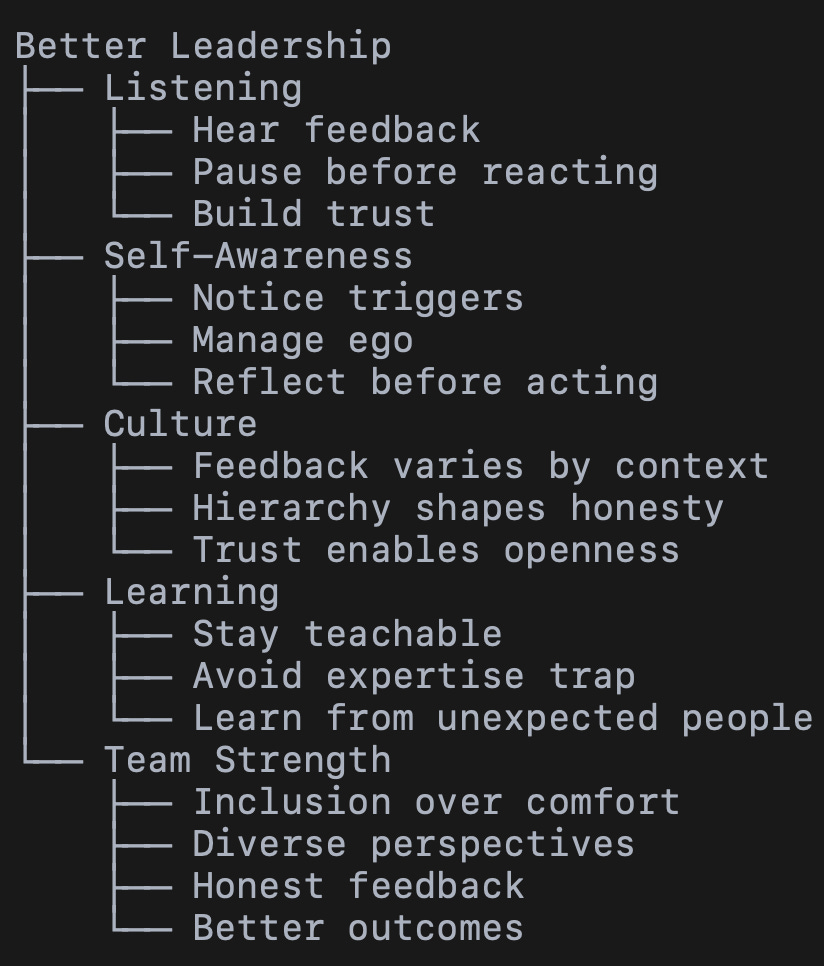
Dr. Giannoumis is clear that listening is not the same as instantly agreeing. Feedback often feels like an attack before it feels like a gift. He describes the physical reaction first: your heart races, your mind speeds up, and your instinct is to fight or flee. That is why self-awareness matters. If leaders can recognize those triggers, they can create enough distance to actually hear what is being said. Sometimes the job is simply to stay quiet long enough to understand, then decide what is useful and worth acting on.
That becomes even more important across cultures. In Norway, where Dr. Giannoumis lives and works, students are encouraged to challenge authority, and flatter hierarchies make direct feedback more normal. In more collectivist or hierarchical settings, the same style can be inappropriate or ineffective. Feedback may need to travel through trusted intermediaries, private conversations, or carefully created spaces where people feel permission to speak. He has seen this in places like China and Mozambique, where honest input depends less on asking for it publicly and more on building trust and context first. Listening may be universal, but the path to getting honest feedback is not.
Why Hiring for “Culture Fit” Often Builds Weaker Teams
This same idea shows up in hiring. Giannoumis argues that “culture fit” is often one of the laziest decisions leaders make because it usually means comfort, not contribution. People hire those who feel familiar, who sound right, act right, and match the environment they already know. But teams do not get stronger by maximizing familiarity. They get stronger by adding perspective. A person contributes more than what is written on a résumé. They bring a worldview, a lived experience, and a way of seeing problems that others in the room may miss. That difference is often exactly what creates better decisions.
He learned that lesson sharply during a UN expert hackathon. Invited to participate, his instinct was to bring experienced colleagues he already trusted. Instead, his boss insisted he bring three students. He assumed the opportunity was wasted. But those students, each with different backgrounds and perspectives, ended up winning the top prize. They succeeded not because they looked like the obvious all-star team, but because they challenged each other, brought different viewpoints, and built trust quickly enough that disagreement made the work stronger. What felt less comfortable turned out to be far more effective.
Leadership 101: “See the Whole Person”
One of his most painful leadership stories comes from his book, The Sins and Wins of Inclusive Leadership, in a section called “See the Whole Person.” He met an impressive woman from Costa Rica at a UN event in New York and later invited her to pursue a PhD under his supervision in Norway. She moved there with her family, but during a difficult season in his own life, he became unavailable and brushed off her requests for help getting settled. When he returned, she told him she was leaving the program. The loss was not just professional. It forced him to confront the fact that he had viewed her transition through his own lens rather than hers. He had moved countries before, but under completely different conditions. He had failed to see the full reality of her experience. That was the lesson: leadership requires more than seeing talent. It requires seeing the whole person.
When the conversation turned to confidence and humility, Giannoumis offered a different answer than many leaders might expect. He did not argue that confidence should be the goal. He argued for curiosity. In his view, confidence is overrated, while curiosity is what actually helps leaders grow. Curious people ask how things work, why they work, and what others know that they do not. That mindset keeps leaders open, adaptable, and grounded. It also helps explain why Giannoumis has learned so much not only from peers and mentors, but from students, younger people, and those outside traditional power structures.
The Leadership Trap: When Experience Replaces Learning
That is why he says one of the leadership mistakes that quietly kills teams is the failure to keep learning. Teams weaken when leaders stop being teachable, when seniority turns into certainty, and when expertise becomes a trap. He shared the example of getting career advice from an 18-year-old who had dropped out of high school, a young man who encouraged him to start recording short videos about his research and posting them online. It was not the sort of advice a senior academic would have given him, but it opened a new direction in his work and public voice. The real lesson was not about social media. It was about being willing to learn from unexpected places.
Summary
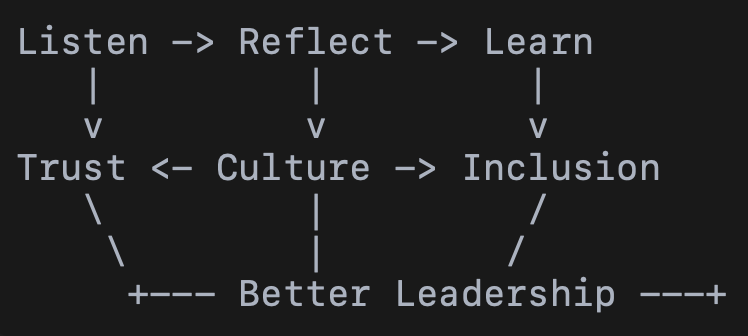
Across all these stories, the lesson is the same. Leadership is not about always having the answer. It is about making sure better answers can reach you. That means listening when feedback stings, adapting how feedback flows across cultures, hiring for perspective instead of comfort, and noticing when someone else’s experience demands a different kind of support. Listening is not soft. It is strategic. Curiosity is not passive. It is powerful. And inclusion is not just a moral value. It is a competitive advantage.
The conversation explores how strong leadership depends less on authority or confidence and more on listening, self-awareness, curiosity, and the ability to learn from others. It highlights the idea that feedback is often uncomfortable but necessary, and that the best leaders are the ones who can sit with criticism, manage their reactions, and turn difficult moments into opportunities for growth. It also emphasizes that communication, trust, and leadership styles are shaped by culture, so what works in one setting may not work in another. More broadly, the discussion challenges the habit of choosing familiarity over difference, showing how diverse perspectives strengthen teams, improve decision-making, and create better outcomes. At its core, the conversation argues that effective leadership comes from staying open, seeing people fully, and remaining willing to learn from unexpected places.