

Buying a home is one of the biggest financial decisions most people will make, and making the right choice requires looking well beyond the listing price. This three-part course provides a practical exploration of the entire home-buying journey, beginning with the fundamental decision of whether renting or buying makes sense for your circumstances.
The course walks through setting a realistic budget, defining your property requirements, comparing different types of homes, and using online tools to research properties and markets. It also examines the role of real estate agents, how commissions work, what to consider when choosing an agent, and how research and negotiation can help buyers navigate the search and offer process more effectively.
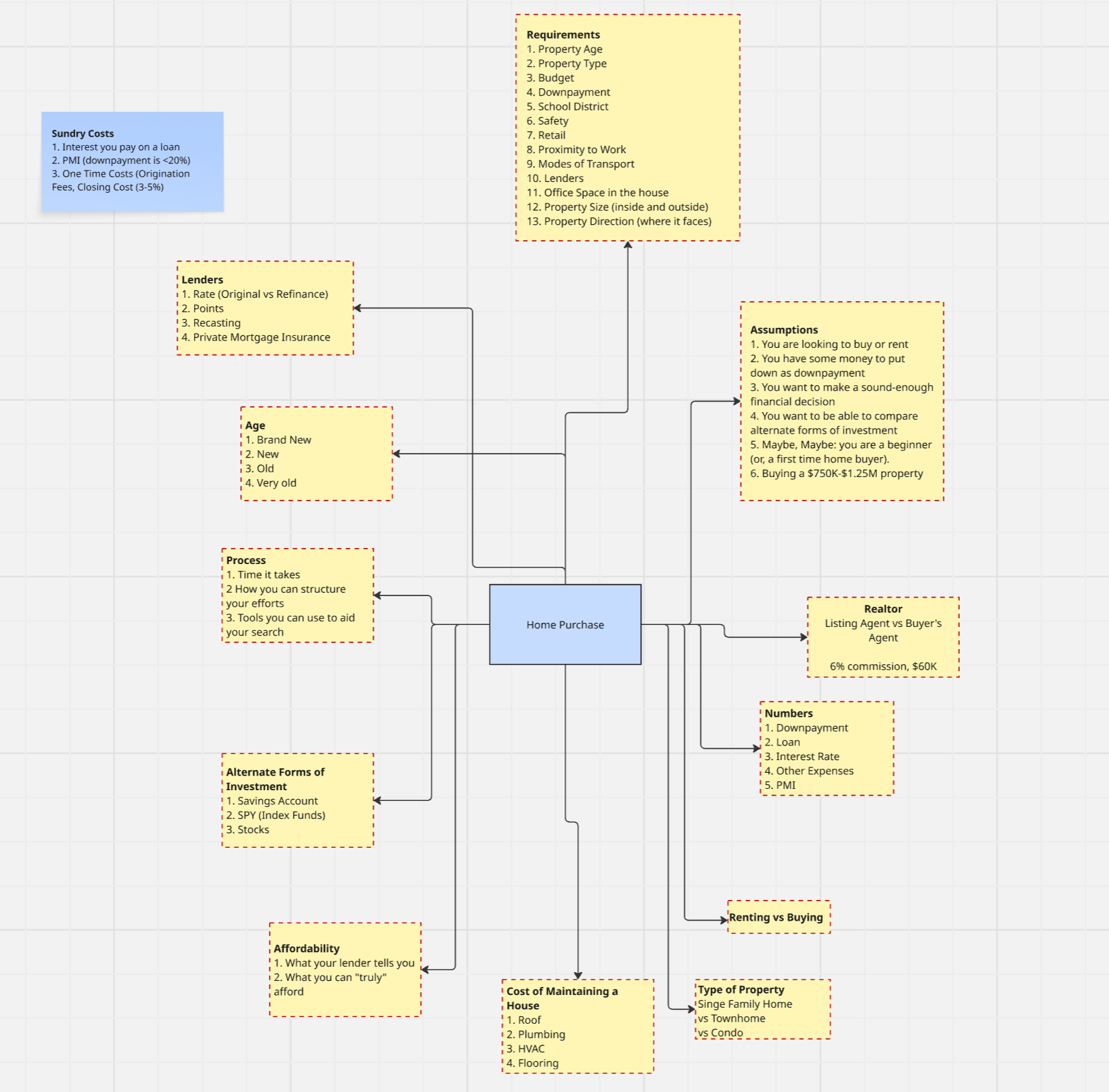
From there, the focus shifts to the financial mechanics of homeownership. You’ll explore down payments, mortgage insurance, interest rates, loan options, amortization, refinancing, and loan recasting, along with the many costs that extend beyond the monthly mortgage payment. The course also considers the risk of becoming “house poor” and why understanding affordability—not simply how much you can borrow—is essential when determining how much home to purchase.
Finally, the course takes a longer-term view of the decision. You’ll examine new versus older properties, maintenance and ownership costs, home appreciation, the time and financial commitment involved in owning a property, and the tradeoffs between putting money into a home versus renting and investing elsewhere. Together, these topics provide a broader framework for evaluating a home not only as a place to live, but also as a significant financial commitment and long-term investment.
Takeaways
Renting vs. buying is a financial and lifestyle decision — compare the true long-term costs, benefits, and opportunity costs before choosing.
Affordability goes beyond what a lender approves — consider your income, lifestyle, savings, other obligations, and the risk of becoming “house poor.”
Budget for more than the down payment and mortgage — closing costs, taxes, insurance, maintenance, repairs, HOA fees, and eventual selling costs can significantly affect the economics of ownership.
Understand how mortgages actually work — interest rates, APR, amortization, loan terms, points, PMI, equity, and monthly payments all influence the true cost of borrowing.
Loan structure matters over the long term — choosing between loan terms such as 20 or 30 years can substantially change monthly payments, equity accumulation, and total interest paid.
Know your options after purchasing — refinancing and recasting can potentially reduce borrowing costs or monthly payments as your financial situation or interest rates change.
Research the property and the surrounding market — property type, age, condition, location, schools, commute, amenities, and local market conditions can all influence desirability and long-term value.
New and older homes involve different tradeoffs — newer homes may offer customization and lower initial maintenance, while older homes may come with different pricing, locations, and repair requirements.
Use technology to become a better-informed buyer — property platforms and online research tools can help compare listings, neighborhoods, prices, features, and market activity.
Understand the role—and cost—of real estate professionals — learn how agents and commissions work, choose representation carefully, and recognize how much research you can perform independently.
Inspections and due diligence are critical — understanding a property’s condition before purchasing can help uncover potential repairs, expenses, and risks.
Negotiation is an important part of buying a home — your leverage can vary depending on the property, seller, market conditions, and whether you’re purchasing an existing, new-construction, or spec home.
Homeownership can build equity and benefit from appreciation, but neither should be assumed — evaluate potential returns alongside financing costs, maintenance, transaction expenses, and alternative uses for your money.
Approach a home purchase as both a lifestyle and financial decision — the right property should meet your living needs while fitting comfortably within your broader financial plan.
Be patient and avoid rushing the purchase — buying a home takes time, and carefully comparing properties, financing options, and long-term costs can help prevent an expensive decision you may later regret.
Length: 160 minutes
Watch on Computer
You should receive an email with course details within 96 hours of purchase. If you don’t see that email in your inbox shortly, check your spam folder. If you don’t find it there either, reach out to varun@getsnowpal.com.
Watch on Mobile App
Prefer to watch it on the go? We’ve got you covered. Download our Mobile App from the App/Play Store, and all our courses are available there as well.
More Courses
Check out our other Software, Finance, and AI courses on the Snowpal Education page.