

In this insightful interview, Shayna Davis, CEO of Executive Signals, shares expert advice on how tech leaders can enhance their external communication, build trust, and establish credibility in a competitive landscape. Discover practical strategies for leadership branding, content creation, and navigating reputation management to drive business success.
In today’s rapidly evolving tech landscape, leadership is no longer confined to building great products or managing internal teams. As highlighted in the conversation with Shayna Davis, tech leaders are increasingly expected to step outside their organizations and represent their companies to a broader audience. This shift has exposed a critical “competency gap” — the difference between technical expertise and the ability to communicate effectively with external stakeholders.
Podcast
Why Great Products Alone Don’t Win Anymore — on Apple and Spotify.
Understanding the Competency Gap
Traditionally, many technical leaders—especially those in engineering or product roles—focused primarily on execution. Their responsibilities revolved around building, scaling, and optimizing systems. External communication was often limited to founders or dedicated PR teams.
However, this expectation has fundamentally changed. Today, leaders across the organization—from CTOs to heads of product—are expected to engage with investors, customers, potential hires, and even the media. As Shayna Davis explains, this shift creates a gap because communication has become a required skill, but not one many leaders were trained for.
Why External Communication Matters
Building Trust
In an era where skepticism is at an all-time high, trust has become a competitive advantage. Stakeholders want to believe in the people behind the product—not just the product itself. Leaders who clearly articulate their vision, values, and perspective are more likely to earn that trust.
Attracting Talent
The competition for skilled professionals is intense. Candidates are no longer evaluating companies solely based on compensation or technology—they are evaluating leadership. A compelling external presence can inspire confidence and attract top-tier talent.
Navigating Rapid Change
Technology evolves at a breakneck pace. Leaders must demonstrate not only that they understand these changes but also that they have a perspective on where the industry is heading. This ability positions them as credible voices in their space.
The Changing Landscape of Leadership
According to Shayna Davis, three major forces are driving the need for stronger external communication. Companies today are operating in intense talent wars, competing aggressively for skilled professionals. At the same time, they are facing growing trust gaps, as public confidence in institutions and organizations continues to decline. Adding to this challenge is rapid technological disruption, where new innovations constantly reshape the competitive landscape.
These forces mean that having a strong product and a capable team is no longer enough. Perception, reputation, and narrative now play a critical role in success.
Moving Beyond Product-Centric Communication
One of the most common mistakes leaders make is focusing too heavily on product features when communicating externally. While product details are important, they are rarely memorable.
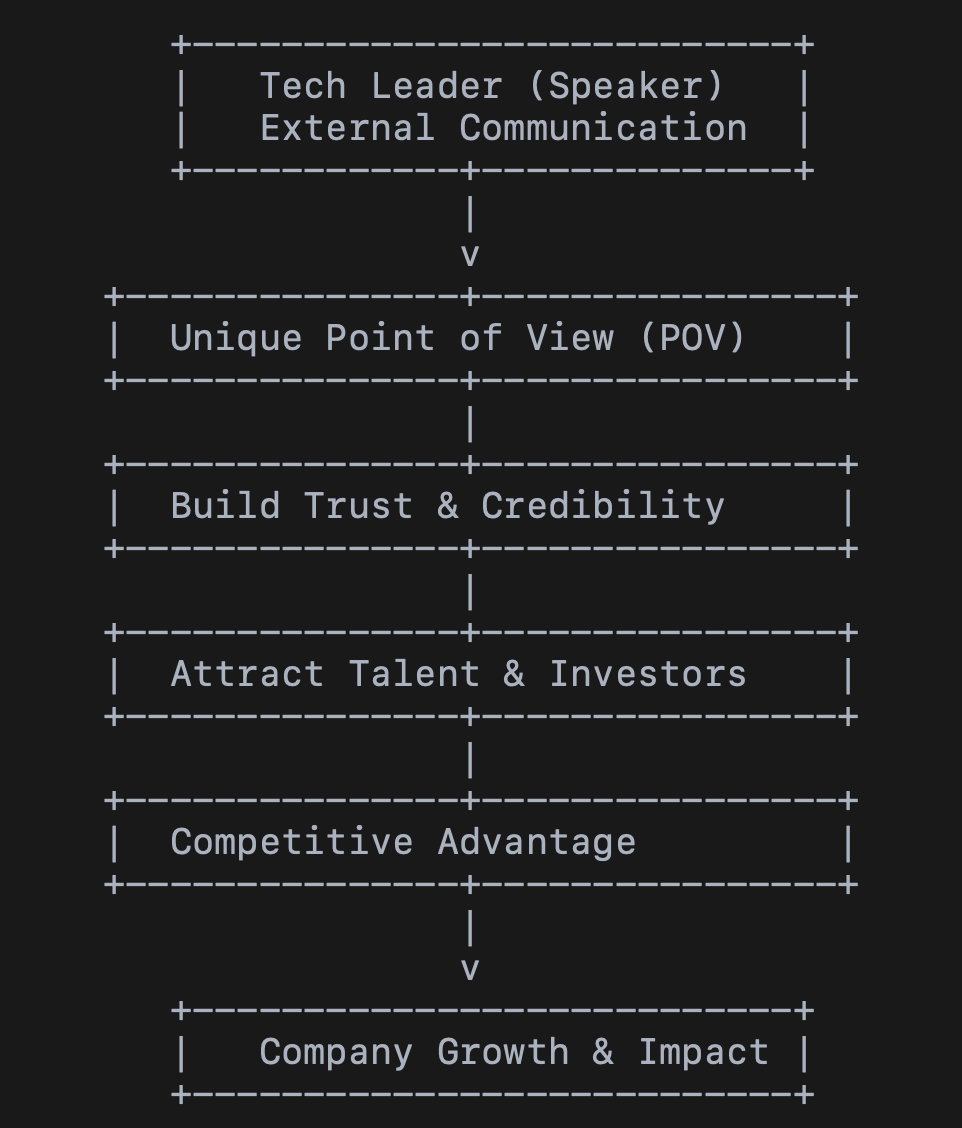
The most impactful leaders are those who go beyond surface-level messaging. They share their unique point of view about the industry, explain why they are building what they are building, and offer insights that cannot simply be found on their website. This shift transforms communication from transactional to meaningful. Instead of sounding like a product brochure, leaders begin to sound like thought leaders.
Real-World Illustration
Consider a panel discussion where multiple leaders present similar products. Most speakers might describe features, benefits, and use cases in a predictable manner. However, the standout speaker is often the one who shares a personal story, connects industry trends to real-world experiences, and explains the broader mission behind their work.
That individual becomes memorable—not because of their product alone, but because of their perspective and authenticity.
Practical Strategies for Tech Leaders
Develop a Clear Leadership Narrative
Leaders should take the time to define who they are, what they believe about their industry, and why their company exists. This narrative becomes the foundation for all external communication and helps ensure consistency across different interactions.
Practice Intentional Communication
Communication is not about changing one’s personality but about being intentional. Leaders should consciously decide how they want to show up and what they want to be known for, ensuring that their messaging aligns with their values and goals.
Balance Product and Perspective
Effective communication requires a balance between perspective and product messaging. Perspective helps build trust and credibility, while product messaging ensures clarity and drives action. Focusing too heavily on one at the expense of the other can limit impact.
Leverage Content Thoughtfully
Content creation, especially on professional platforms like LinkedIn, serves as a digital footprint. Even a small amount of consistent, high-quality content can reinforce credibility, showcase thought leadership, and build trust before direct conversations even begin.
Start Small but Stay Consistent
For startups and smaller teams, communication efforts do not need to be overwhelming. Even dedicating a short amount of time each month to refining messaging, aligning on perspectives, and improving online presence can create meaningful progress over time.
Communication as a Competitive Advantage
One of the most important insights is that communication is not just a supporting skill—it is a strategic advantage. When leaders communicate clearly and authentically, they build stronger relationships with customers, investors, and employees. This, in turn, drives trust, engagement, and long-term success.
Conversely, a lack of effective communication can erode trust, even if the product itself is strong.
Conclusion
The modern tech leader must evolve beyond technical excellence. While building a strong product and team remains essential, it is no longer sufficient.
Bridging the competency gap in external communication is now a critical leadership skill. By developing a clear narrative, sharing authentic perspectives, and engaging intentionally with external audiences, leaders can build trust, differentiate themselves, and position their companies for success in an increasingly competitive market.
In a world where many companies offer similar products, the leaders who communicate effectively are the ones who truly stand out.